Give Thanks for Better Hearing: Why Local Audiology Care Matters

November 26, 2025

It feels like you can’t scroll for five minutes without seeing an ad for “miracle hearing aids” or  “easy order online” devices. The marketing noise is everywhere, and it can be very confusing. If you’re experiencing hearing loss, you have probably wondered whether you really need a  prescription hearing aid or if you can just grab one from a big box store or the internet. 


At The Tinnitus and Hearing Center of Arizona, our patients consistently mention that they  enjoy the personal attention we provide to their questions and concerns. They’ve all heard the  hype, but they want something that actually works. That’s because hearing loss isn’t just a  volume issue; it’s a medical condition. And like most health concerns, something this important  deserves a personalized approach. 


Why Over-the-Counter is Rarely Better 

It’s not like we don’t understand the appeal of over-the-counter (OTC) devices. They seem like  quick, easy, semi-affordable solutions. However, just like glasses, “cheaters” will only do you  so much good and can only serve a small portion of those with vision loss. 


When you are fit with prescription hearing aids at The Tinnitus and Hearing Center of Arizona,  you’re getting more than a device. You’re getting: 


● A full evaluation of your unique type and degree of hearing loss 

● Top-quality devices that are programmed to your needs 

● Follow-up care, troubleshooting, and personalized support 


As we mentioned, you can think of it in much the same way as reading glasses. You might buy  a pair of “cheaters” at the drugstore, so you have something on hand to read menus, but  they’re different from lenses prescribed specifically for your eyes. Hearing works the same  way. Over-the-counter (OTC) hearing aids can help people with very mild hearing loss, but  they’re one-size-fits-most, offer limited customization, and leave you on your own for setup  and troubleshooting.


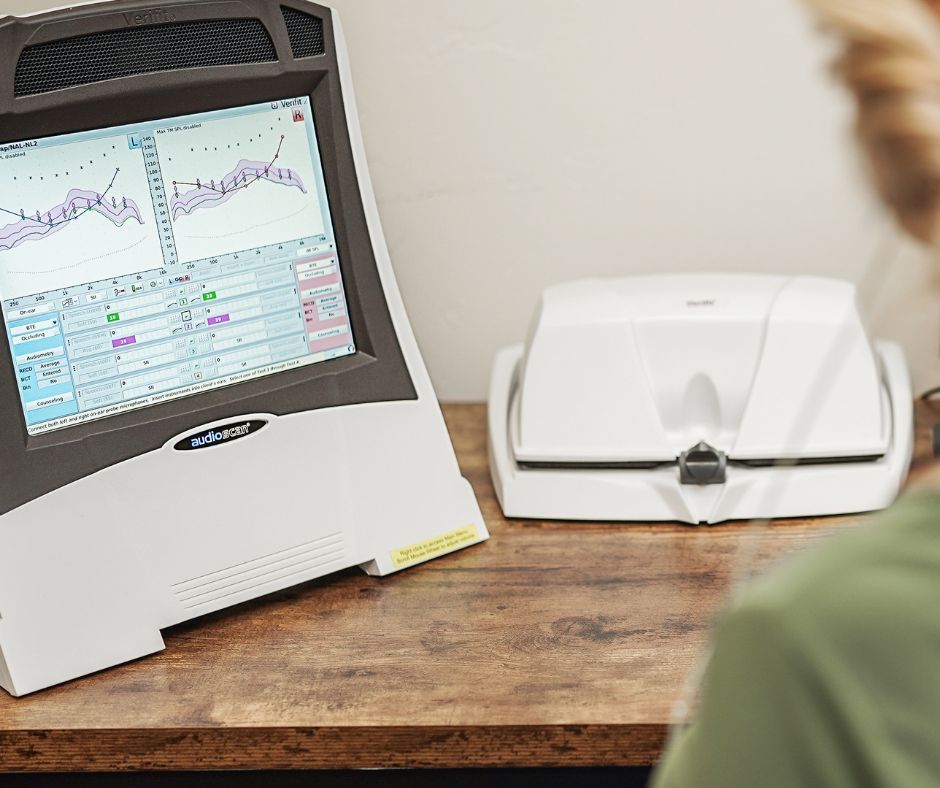
Prescription-fit hearing aids, on the other hand, are tailored to your exact hearing needs.  They’re professionally programmed, VERIFIED, and supported long-term by someone who  knows you. Our job at The Tinnitus and Hearing Center of Arizona is to guide you through your  options, explain them in plain language, and ensure you feel confident in the path you choose. 


When Your Hearing Needs Extra Support 

While we don’t perform surgeries in our office, we are trained to identify when a referral is  needed. We work closely with specialists and are happy to provide a referral to someone local  and trustworthy who can meet your needs. 


Most ear surgeries involve middle-ear disease, chronic infections, or conditions that need  medical treatment before hearing aids are appropriate. Examples include: 


● Certain types of asymmetrical hearing loss 

● Middle Ear Diseases 

● Surgical options like cochlear implants or bone-anchored devices 


Personalized Care Every Step of the Way 

One of our favorite parts of this work? Getting to know patients and sticking with them for the  long haul. We remember your history, your settings, and even the small things that matter  most, like how you want to be able to hear your grandkids at the dinner table. 


And because life happens, the prescription hearing aids we fit for you aren’t tied to just The  Tinnitus and Hearing Center of Arizona. They are supported by nationwide networks and local  providers across the country for added peace of mind. Your hearing care should support your  lifestyle, not limit it. 

Investing in Local Audiology Care 


When you schedule appointments or purchase hearing aids at a local audiology practice,  you’re doing more than looking out for your health. Any money you spend stays here,  supporting local jobs, schools, businesses, and families. You’re strengthening your community  while improving your quality of life.


If you’re ready to invest in your hearing health, schedule an appointment with the Tinnitus and  Hearing Center of Arizona team at 480-831-6159. This season of thanks, you’ll be grateful  you chose a local audiologist.


treating hearing loss
By DrRohe27 June 2, 2026
Discover why treating hearing loss matters for health, safety, communication, and quality of life and how personalized care can help you stay active and connected.
May 16, 2026
Dr. Rohe at the Tinnitus & Hearing Center of Arizona is pleased to announce the availability of Lenire®, an FDA-authorized tinnitus treatment device designed to reduce the severity of tinnitus through a clinically proven, non-invasive approach.
May 6, 2026
Learn what a tinnitus device is, how it works, and which options provide real relief. Discover when advanced devices like Lenire may help.
March 29, 2026
If you’ve ever thought about hearing aids and wondered, “How do I know they’re actually set up correctly for my ears?” you’re asking an excellent question.
March 27, 2026
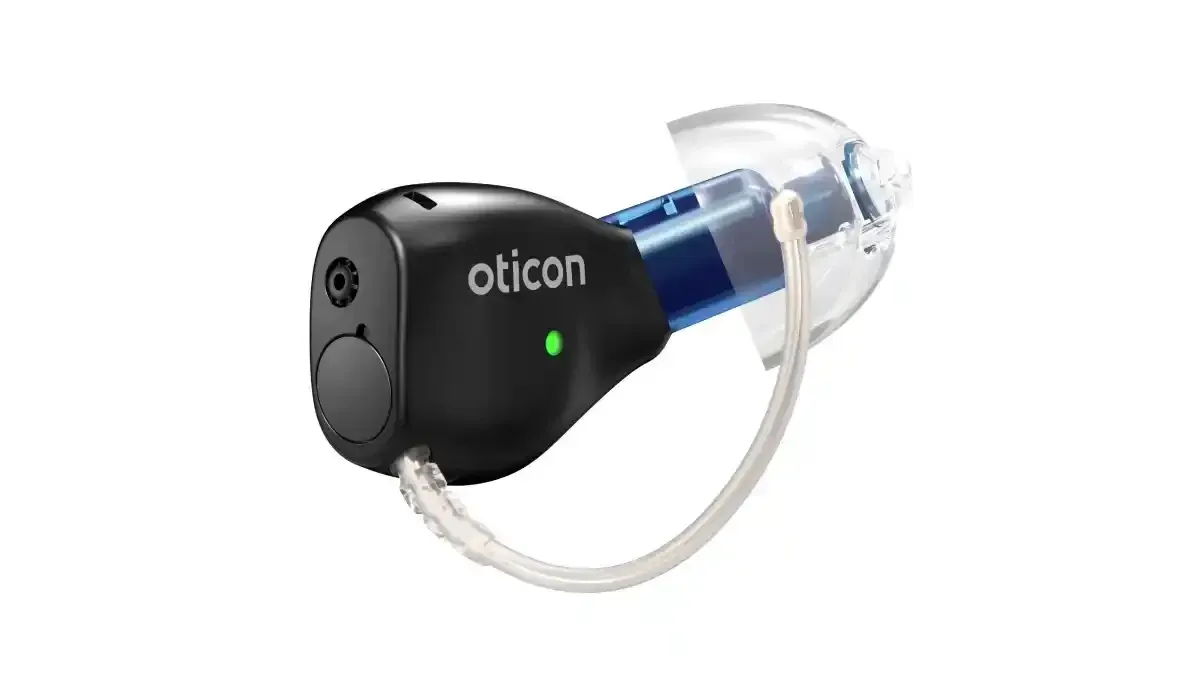
New AI-Powered Hearing Aid Combines Premium Sound Quality and All-Day Rechargeability in Nearly Invisible Design
By alyssa brekken February 2, 2026
Anxiety can cause many ailments, including tinnitus. Meanwhile, tinnitus can worsen anxiety. The two together can fuel a vicious cycle, but there are ways to tame down each and help alleviate the tinnitus and anxiety relationship. The Vicious Cycle: How Tinnitus Fuels Anxiety Those who have or have had tinnitus will likely agree that the constant noise is hard to get relief from. For many, it can worsen anxiety, and for some, it can directly cause it. Unfortunately, tinnitus and mental health issues often feed on each other. When general anxiety elevates to a fight-or-flight response, it creates an elevation in heart rate and shortness of breath, which heightens tinnitus. Alone or together, tinnitus and anxiety often make it hard to relax, to fall asleep, and to stay asleep. For some, the combination of tinnitus and anxiety also leads to social avoidance and isolation. That worsens the anxiety and contributes to depression. Concern may grow that the tinnitus will never go away and that it may be a sign of something more serious. This can lead to insecurity about the future and a feeling of hopelessness. The Amplifier: How Anxiety Worsens Tinnitus Stress hormones, including adrenaline, cortisol, and epinephrine, affect the nervous system and can affect the auditory system itself, leading to a reduction of blood circulation in the ears. The overstimulation of the nervous system can also cause cell damage through a lack of oxygen, worsening tinnitus, and contributing to a loss of hearing. For those who experience panic attacks, both a temporary ringing and long-term tinnitus, along with a pulsating in the ear canals, may begin as a panic attack heightens. The sound and pulsations can contribute to anxiety and cause a fear of potential threats. As such, the tinnitus amplifies and becomes louder, more noticeable, and more irritating.
A man sitting on a sofa holds his temples, grimacing from a headache, with a motion blur effect.
By Allen Rohe November 10, 2025
Anxiety and tinnitus often go hand in hand. Explore the link between stress and ear ringing and learn how holistic treatment can bring relief.
A young man is posing against a plain white background, showing visible signs of toothache or jaw pa
By Allen Rohe November 4, 2025
Try these simple TMJ and neck exercises to relieve tinnitus symptoms naturally at home. Learn how physical therapy can support long-term tinnitus management.
Older man receiving an ear examination from an audiologist or doctor using an otoscope, highlighting
By alyssa brekken October 23, 2025
Wondering why tinnitus treatment isn't covered by insurance? Learn what most policies exclude, why it happens, and how you can still get effective care in Arizona.
Confused by sound sensitivity? Learn the differences between Misophonia, Phonophobia, and Hyperacusi
By SEO Salem October 16, 2025
Confused by sound sensitivity? Learn the differences between Misophonia, Phonophobia, and Hyperacusis, and how we provide relief in Tempe, AZ. Check out our guide!